
TAYLOR VETS
Cats can be remarkably good at hiding pain. This means dental problems can sometimes develop quietly, with owners only noticing something is wrong once the condition has become more advanced.
Dental disease is not simply about bad breath or discoloured teeth. Problems affecting the teeth, gums and mouth can cause significant discomfort and may make everyday activities, such as eating and grooming, painful.
Knowing what to look out for and making dental care part of your cat’s routine can help protect their comfort and quality of life.
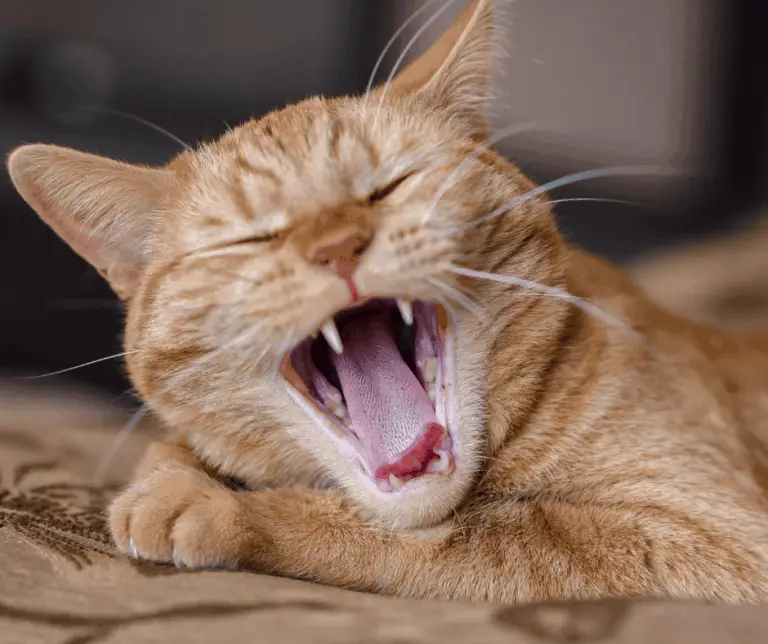
If your cat has dental issues book an appointment with one of our vets. Visit one of our practices in Brackley, Middleton Cheney, or Towcester to discuss this issue with a vet.
Cats can develop several different dental and oral conditions throughout their lives.
Periodontal disease begins when plaque, a sticky layer containing bacteria, builds up on the teeth. If it is not removed, plaque can harden into calculus (tartar).
The bacteria within plaque can irritate the gums, leading to gingivitis. You might notice that your cat’s gums look red, swollen or sensitive, particularly around the edge of the teeth.
As periodontal disease progresses, structures supporting the teeth can become affected. This can eventually result in painful, loose teeth that may need to be removed.
Tooth resorption is an important dental condition in cats. It occurs when the structure of a tooth gradually begins to break down.
The lesions can be extremely painful, particularly when they affect the sensitive inner areas of the tooth. However, because cats often continue eating despite oral pain, the problem is not always obvious at home.
Affected teeth frequently require extraction to relieve discomfort.
Cats can occasionally fracture a tooth through trauma or biting something hard. A broken tooth may expose the sensitive tissues inside it and can cause pain or infection.
Any visibly damaged tooth should therefore be checked by your vet, even if your cat appears otherwise comfortable.
Some cats develop significant inflammation affecting their gums and other tissues inside the mouth. In more severe cases, this can make eating, swallowing or even opening the mouth uncomfortable.
Your vet will need to examine your cat to determine the underlying problem and recommend appropriate treatment.
One of the biggest misconceptions surrounding feline dental disease is that a cat who is still eating cannot have dental pain.
Cats have a strong instinct to continue eating despite discomfort, so changes can be quite subtle.
Signs to watch for include:
Sometimes the only sign is a small change in behaviour. If something seems different about the way your cat eats, grooms or behaves, it is worth mentioning it to our veterinary team.
Some dental conditions cannot be fully assessed simply by looking inside a conscious cat’s mouth.
If dental treatment is recommended, a thorough examination under general anaesthetic allows the veterinary team to inspect each tooth properly and assess areas that would otherwise be difficult to see.
Dental X-rays can be particularly valuable because a large proportion of each tooth lies beneath the gumline. X-rays allow the vet to assess the tooth roots and surrounding bone and identify problems that might not be visible from the surface.
Depending on what is found, treatment may involve removing plaque and calculus with an ultrasonic scaler, polishing the teeth, or extracting teeth that are painful or badly damaged.
Tooth brushing is one of the most effective ways of reducing plaque accumulation, but anyone who shares their home with a cat will know that cooperation varies considerably!
Ideally, tooth brushing should be introduced gradually while cats are young. However, older cats can sometimes learn to accept it too.
Start slowly. Allow your cat to become comfortable with you touching around their face and lips before progressing to touching the teeth and gums. Eventually, you can introduce a pet-specific toothbrush and toothpaste.
If you can’t get your cat to cooperate with tooth brushing (understandably!) there are alternative dental products, including dental wipes, powders, chews and treats that can be used.
The best approach will depend on your individual cat, so speak to our veterinary team if you are unsure where to begin.
Our Taylor Tots programme for registered puppies and kittens includes guidance from veterinary nurses on introducing tooth brushing, caring for teeth and recognising the early signs of dental disease.
You do not need to wait until your cat stops eating before asking for help.
Bad breath, red gums, visible tartar, changes in eating habits or any other concerns about your cat’s mouth are good reasons to arrange a check-up. Early assessment may allow problems to be identified before they become more painful or complicated.
We also offer dental check-ups with veterinary nurses to help monitor the health of your pet’s teeth and gums.
If you are concerned about your cat’s teeth or would like advice on creating an effective dental care routine at home, get in touch with us to arrange an appointment.
We use cookies to improve your experience on this website. You may choose which types of cookies to allow and change your preferences at any time. Disabling cookies may impact your experience on this website. You can learn more by viewing our Cookie Policy.
