
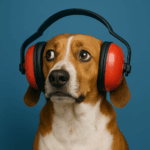
What can you do?
Step 1: Preparation (One Week Before You Begin)
Choose a quiet, familiar space where your pet feels safe.
Download a good quality firework sounds track (Dogs Trust have free versions).
Have plenty of high-value treats ready.
Make sure your pet isn’t already anxious when you start — never begin on or near actual fireworks nights.
Step 2: Start at Very Low Volume
Play the recording so quietly it’s barely audible.
Feed treats, play a game, or simply sit together while it plays.
Keep sessions short (2–3 minutes) once or twice a day.
Stop before your pet shows any sign of stress (ears back, lip licking, hiding, panting).
Step 3: Gradual Volume Increase
Every few days, increase the volume slightly — no more than 10–20%.
Continue to associate the sound with positive things: meals, play, cuddles.
If your pet reacts nervously, drop the volume back to the previous level for a few sessions before trying again.
Step 4: Add Variety and Complexity
Once your pet is relaxed at moderate volume, vary the timing and duration.
Mix in other background noises — TV, household sounds — so the fireworks become just one of many normal things.
You can start using the recordings in different rooms once your pet stays calm.
Step 5: Maintain Progress Year-Round
Keep practising once a week, even outside of fireworks season, so the progress sticks.
On real fireworks nights, still use the normal calming measures: curtains closed, music on, safe space ready.
What to Do on Fireworks Nights
Even with successful desensitisation training, taking extra precautions during actual fireworks displays will help your pet feel more secure:
- Create a safe den: Set up a quiet space with their bed, blankets, and familiar toys.
- Close curtains and windows: This helps muffle sound and block out flashing lights.
- Use background noise: Play calming music or TV at normal volume to mask firework sounds.
- Stay calm yourself: Pets pick up on our emotions. Act normally.
- Walk dogs earlier: Take evening walks well before dark when fireworks are less likely.
- Update ID tags and microchips: Ensure information is current in case pets escape.
Key Points to Remember
Progress at your pet’s pace — it can take several weeks or even months.
Never use punishment or “flooding” (forcing exposure to loud sounds).
If your pet’s anxiety is severe, combine training with behavioural support or veterinary calming aids.
The key is preparation- a bit of planning now can make fireworks season far easier for pets and their owners alike.