TAYLOR VETS
BOAS: What does this mean for my pet, and what are the options?
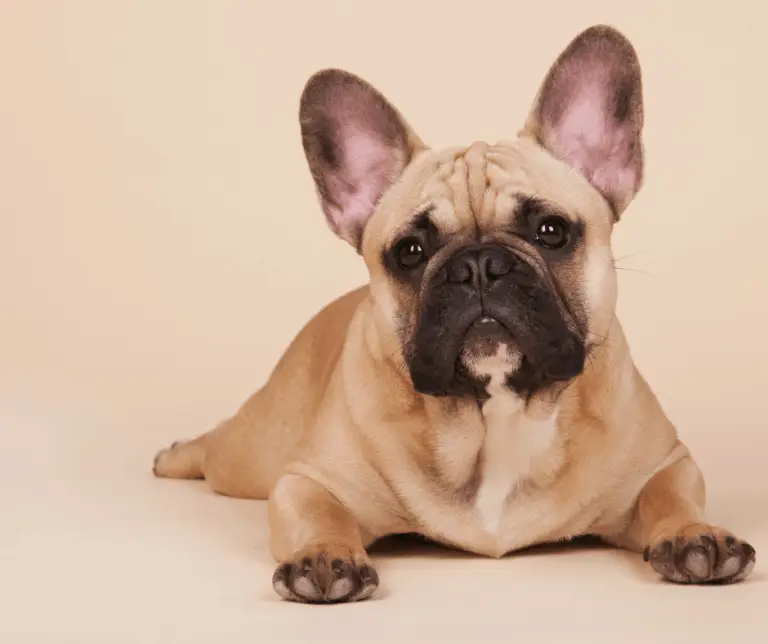
If you share your life with a flat-faced (brachycephalic) dog, such as a French Bulldog, Pug, English Bulldog, Shih Tzu, Pekingese, and similar breeds, you may have heard the term BOAS. It can sound intimidating, but understanding it is the first step to improving your pet’s comfort and long-term health.
If you need to find out more about BOAS contact us at Taylor Vets
If you have a brachycephalic dog we can help here at Taylor Vets. Visit one of our practices in Brackley and Middleton Cheney.
BOAS stands for Brachycephalic Obstructive Airway Syndrome. In simple terms, it means that a dog’s airway is partially blocked because of how their head and throat are shaped. Many brachycephalic dogs have been bred for a short muzzle and a cute, “squashed” face, but the soft tissues, like the palate and structures inside the nose, haven’t always reduced in size to match the shorter skull. The result can be a crowded airway, making it harder to breathe efficiently, which directly impacts your pet’s quality of life.
What does BOAS look like day to day?
Some signs are obvious; others are easy to dismiss as “normal for the breed.” Common symptoms in brachycephalic dogs include:
- Noisy breathing, such as snorting, snoring, raspy sounds, even when awake
- Exercise intolerance (get tired quickly on walks, need frequent breaks)
- Overheating easily (panting heavily, struggling in warm weather)
- Gagging or retching, especially after excitement or eating
- Sleep disturbance (restlessness, waking up frequently, sleeping with the head elevated)
- Blue or pale gums, collapse, or fainting in severe cases
Airway obstruction can worsen over time. The more effort a pet uses to breathe, the more inflammation and swelling can develop in the throat and airway tissues, narrowing things further. In dogs, ongoing strain can contribute to secondary changes called everted laryngeal saccules. The saccules are positioned either side of the opening to the airway. Once inflamed they block the airway even further, contributing to an increased effort and noise when breathing.
Why it matters (even if my pet “seems fine”)
Breathing should be effortless. If a pet is working harder to breathe, it affects more than just walks or naps. BOAS can impact:
- Quality of life: having less energy, reduced willingness to play, and poor sleep.
- General health: increased risk of overheating and heatstroke, particularly in warm weather or during travel; chronic stress on the body, and in severe cases, episodes of collapse or respiratory distress.
- Anaesthesia risk: brachycephalic pets need special planning for sedation and surgery.
Often, owners only realise how restricted their pet was once treatment helps them to breathe more normally.
How do we diagnose it?
A BOAS assessment starts with a detailed history, including what you notice at home, during exercise or play, after meals, and in warm weather. We then perform a physical exam, paying close attention to:
- Nostril shape, as narrow or pinched nostrils reduce airflow immediately at the entrance.
- Breathing pattern and breathing sounds.
- Recovery after gentle activity.
- Body condition, as even small amounts of extra weight can significantly worsen breathing.
To properly assess the throat and upper airway structures, we often recommend a short sedation or general anaesthesia so we can examine the back of the mouth and laryngeal area safely. This is especially helpful when planning treatment.
What are the options?
Fortunately, there are meaningful ways to help. The right approach depends on the severity, anatomy, and how your pet copes day to day.
1) Lifestyle and medical management
For mild cases, or alongside other treatments, we focus on reducing strain and triggers:
- Weight management: keeping your pet lean is one of the most effective steps to help them breathe better.
- Exercise/play adjustments: shorter, calmer sessions; avoid intense bursts in heat.
- Heat avoidance: cooler times of day, shaded areas, good ventilation indoors.
- Harness instead of a collar for dogs: reduces pressure on the neck.
- Managing flare-ups: when swelling or irritation is present, we may prescribe short courses of medication.
This can improve comfort, but it doesn’t change the underlying anatomy, so if your pet is more significantly affected, we’ll discuss whether surgery is appropriate.
2) Surgical treatment
Surgery aims to reduce obstruction and improve airflow. In dogs, common procedures include:
- Widening narrow nostrils (nares surgery)
- Shortening/thinning an elongated soft palate
- Removing everted laryngeal saccules when present
Many brachycephalic pets show noticeable improvements after appropriate surgery: quieter breathing, better tolerance to activity and warm weather, improved sleep, and a safer margin during excitement or stress.
3) Supportive care around anaesthesia and recovery
Brachycephalic pets have unique needs during sedation/anaesthesia, and safety planning is a core part of their care. This can include:
- Pre-oxygenation
- Skilled airway management and close monitoring
- Controlling nausea and swelling
- A calm and controlled recovery environment
Most pets go home the same day or after a short stay, depending on their risk level and what was done. You’ll receive clear aftercare instructions and warning signs to watch for.
4) Long-term planning and prevention
Early assessment, especially in young pets, can be very helpful. Addressing airway issues sooner may reduce the risk of secondary changes and long-term complications.
When should I book an appointment?
Consider a BOAS/airway check if your dog:
- Snores loudly or breathes noisily even at rest
- Struggles with exercise/play or heat
- Gags/retch frequently
- Pants excessively or seems distressed after excitement
- Breathes through their mouth
- Has ever collapsed or shown blue/pale gums
If you see collapse, severe breathing distress, blue gums, or overheating, treat it as an emergency!
The takeaway
BOAS doesn’t mean you’ve done anything wrong as an owner, and it doesn’t mean your pet can’t live a happy life. It means your pet may be working harder than they should to breathe, and that can affect comfort and health. The encouraging part is that there are options: lifestyle changes, careful medical support, and, when appropriate, surgery that can dramatically improve airflow.
If you’re concerned about your brachycephalic dog, we’re here to help you understand what’s going on and choose the best next steps so they can breathe easier and enjoy life more.