
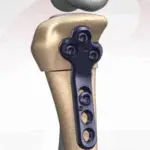
Video: Understanding Canine Cruciate Ligament Surgery at Taylor Vets
What can you do?
Understanding Your Dog’s Stifle Joint
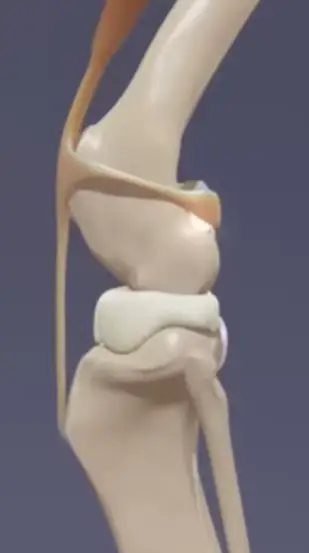
The stifle is essentially your dog’s knee joint—it’s the equivalent of your knee, located on the back leg where the thigh bone (femur) meets the shin bone (tibia). The stifle joint is made up of bones, cartilage, menisci (shock absorbers), and ligaments that provide stability.
What Are the Cruciate Ligaments?
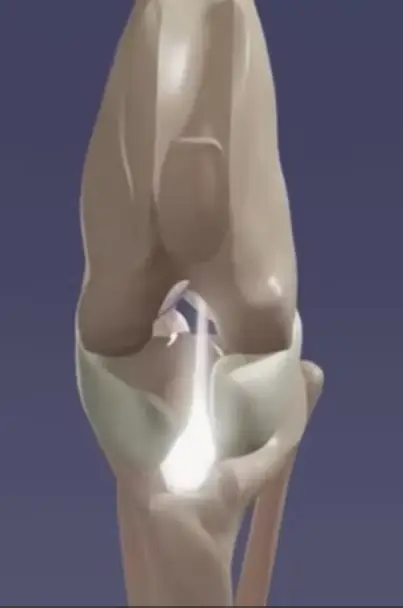
The cruciate ligaments are strong rope-like structures inside the knee that cross over each other. The cranial cruciate ligament (CCL) is the one that most commonly causes problems, preventing the shin bone from sliding forward. When damaged, your dog’s knee becomes unstable and painful.
Signs Your Dog May Have Cruciate Disease
- Pain and lameness – reluctance to put full weight on the affected leg
- Joint swelling – knee appears larger than normal
- Muscle wasting – thigh muscles become smaller from lack of use
- Reduced activity – reluctance to jump, climb stairs, or play
What Is CCWO Surgery?
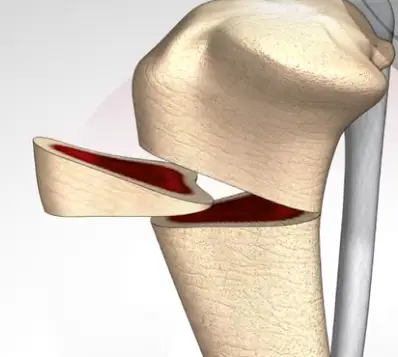
Cranial Closing Wedge Osteotomy (CCWO) is a proven surgical treatment for cruciate ligament disease. During surgery, an accurately measured wedge of bone is removed from the tibia, the edges are brought together, and a metal plate secures the site. This levels the tibial joint surface, preventing instability.
Video: Understanding CCWO Surgery for Dogs at Taylor Vets
Excellent Success Rates
- 80-90% of owners report satisfaction with long-term recovery
- 90-95% achieve good to excellent outcomes
- Most dogs achieve normal walking gait in 8-12 weeks
- By 6 months, most achieve full function and stability
What’s Included at Taylor Vets
At Taylor Vets, we ensure no hidden costs. Our comprehensive surgical package includes:
- Pre-anaesthetic blood screen and IV fluids
- General anaesthesia and complete surgery with implants
- Post-operative medication and cold pack
- Discharge consultation with Veterinary Nurse
- 48-hour re-check and ongoing progress monitoring
- Post-operative x-rays (usually 4 weeks post-surgery)
- Surgical guarantee – complications covered when post-op care followed
The Critical Role of Rehabilitation
We strongly advise rehabilitation before and after surgery. Pre-op physiotherapy maintains muscle strength, improves joint mobility, and prepares your dog for surgery. Post-op physiotherapy promotes safe healing, reduces pain and swelling, restores range of motion, and rebuilds muscle strength.
Next Steps
If you would like to discuss CCWO surgery further, please contact our practice on 01280 733800. Our veterinary surgeons at our Brackley and Middleton Cheney locations can perform thorough examinations, explain treatment options, and answer your questions about recovery. Learn more about our orthopaedic services or book a consultation today.
Key takeaways: CCWO surgery offers 90-95% success rates, most dogs return to normal function within 6 months, rehabilitation is crucial for optimal recovery, and early intervention provides better outcomes. Your dog’s mobility and quality of life are our priority.
