
TAYLOR VETS
Dog breath may never smell like fresh mint, but if your dog’s breath is strong enough to make you turn your head away, it could be worth paying attention to. Bad breath in dogs is common, but persistent or unusually foul-smelling breath can sometimes be a sign that something is going on inside your dog’s mouth or elsewhere in their body.
Fortunately, there are several practical ways pet owners can help improve their dog’s breath while supporting better overall oral health.
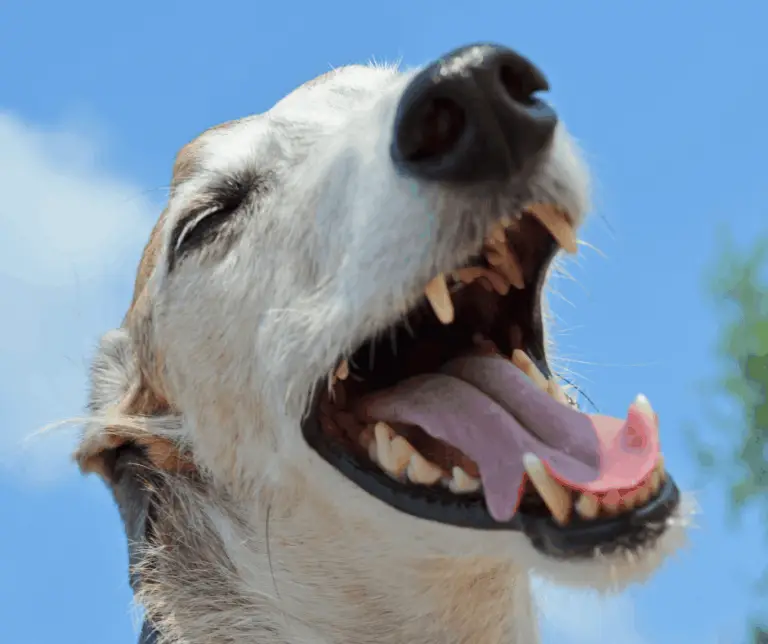
If your dog has bad breath book an appointment with one of our vets. Visit one of our practices in Brackley, Middleton Cheney, or Towcester to discuss this issue with a vet.
The most common cause of bad dog breath is a buildup of plaque and tartar on the teeth.
Just like people, dogs naturally develop plaque after eating. If that sticky layer is not regularly removed, it can harden into tartar. Over time, bacteria can accumulate around the teeth and gums, producing unpleasant odours and potentially contributing to gum disease.
However, bad breath can occasionally be linked to other problems, including damaged teeth, infections, objects stuck in the mouth, digestive issues or certain medical conditions. That is why persistent bad breath should not simply be covered up with a dental treat.
One of the most effective ways to tackle bad breath is also one of the simplest: brush your dog’s teeth.
Regular brushing helps remove plaque before it develops into harder tartar. Ideally, dogs should have their teeth brushed frequently, with daily brushing offering the greatest benefit.
Always use toothpaste made specifically for dogs. Human toothpaste can contain ingredients that are unsuitable or potentially harmful if swallowed.
If your dog has never had their teeth brushed before, introduce the process gradually. Start by allowing them to become comfortable with you touching their muzzle and gums. You can then let them taste a small amount of toothpaste before introducing a soft dog toothbrush or finger brush.
Keep early sessions short and reward calm behaviour. Some dogs need a little time before they are comfortable with a full brushing routine.
Your dog’s diet can also influence their breath.
Food particles trapped around the teeth may encourage bacterial growth, while certain foods naturally create stronger odours than others.
Providing a balanced diet appropriate for your dog’s age, size and health needs supports their overall wellbeing, including their teeth and gums.
Fresh drinking water should also always be available. Drinking helps wash food debris from the mouth and keeps your dog hydrated.
You may see products such as dental water additives, oral sprays or breath-freshening supplements marketed to dog owners. Some can be useful, but they should generally be viewed as supporting products rather than substitutes for good dental hygiene.
If your dog will comfortably allow it, regularly take a quick look inside their mouth.
Healthy gums are generally pink, although natural pigmentation varies between dogs. Look for obvious changes such as redness, swelling, bleeding, broken teeth, loose teeth or heavy brown tartar buildup.
You should also watch for changes in your dog’s behaviour. A dog experiencing dental pain may suddenly become reluctant to eat hard food, chew only on one side of the mouth, drop food while eating or resist having their face touched.
Excessive drooling or pawing at the mouth can also indicate discomfort.
Even with excellent home care, some dogs eventually need professional dental treatment.
A veterinarian can examine your dog’s teeth and gums and determine whether tartar buildup or dental disease is contributing to the smell. If necessary, they may recommend a professional dental cleaning under anaesthesia or treatment for damaged or infected teeth.
Professional cleaning is particularly important when tartar has already hardened, because brushing at home will not remove established tartar effectively.
Regular veterinary checkups also provide an opportunity to identify dental problems before they become more uncomfortable or difficult to treat.
Occasional slightly unpleasant dog breath is not unusual. Persistent, severe or suddenly different breath deserves more attention.
Get in touch with us if bad breath appears alongside symptoms such as difficulty eating, bleeding gums, facial swelling, significant drooling, vomiting, weight loss or noticeable changes in drinking and urination.
A veterinarian should also examine your dog if the smell is unusually sweet, chemical or otherwise markedly different from their normal breath.
Trying to mask these odours with treats or sprays could delay identifying the underlying cause.
If you want to get rid of bad dog breath, start with your dog’s dental health.
Regular tooth brushing, appropriate dental chews, plenty of fresh water and routine mouth checks can all help keep plaque and odour under control. Veterinary dental examinations are equally important, particularly if your dog already has visible tartar or persistent bad breath.
Keeping your dog’s mouth clean can help protect their teeth and gums, reduce discomfort and support their overall health.
We use cookies to improve your experience on this website. You may choose which types of cookies to allow and change your preferences at any time. Disabling cookies may impact your experience on this website. You can learn more by viewing our Cookie Policy.
