TAYLOR VETS
How Can I Treat Hairballs and Vomiting in My Cat?
Most cat owners are familiar with the sound: a few dramatic retches, a crouched posture, and then a little pile on the carpet. Sometimes it is a tube-shaped clump of hair. Other times it looks like food, liquid, foam, or bile. While the occasional hairball may not be unusual, frequent vomiting or repeated “hairballs” should never be ignored.
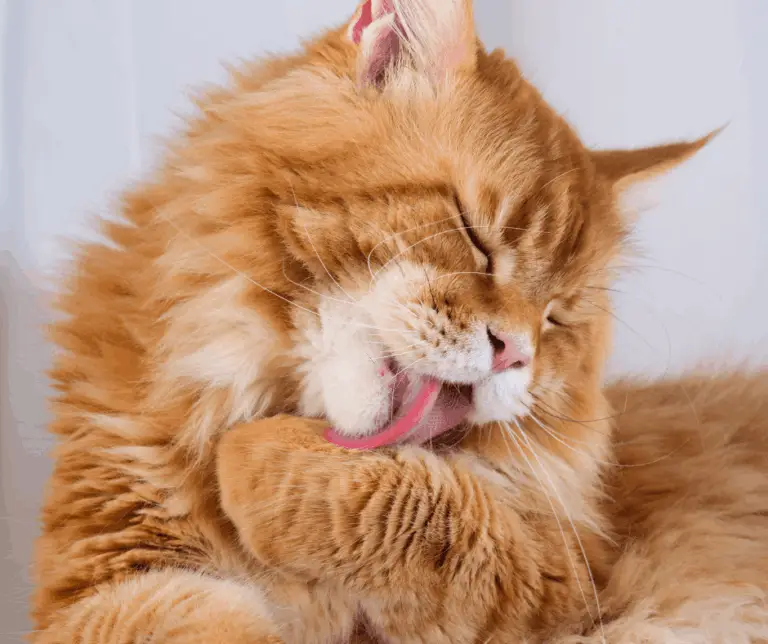
Is Your Cat Always Coughing up Hairballs?
If your cat is constantly coughing up hairballs and vomiting it could be a sign something more is going on. Visit one of our practices in Brackley and Middleton Cheney to discuss this with a vet.
Cats can be very good at hiding illness, so changes in appetite, digestion, weight, or behaviour can be important clues. Understanding what is normal, what is not, and when to contact us can help keep your cat comfortable and safe.
Are hairballs normal in cats?
Hairballs happen when a cat swallows loose hair during grooming. Most swallowed hair passes through the digestive system and comes out in the faeces. Occasionally, hair collects in the stomach and is brought back up.
An occasional hairball may be expected, especially in long-haired cats or during shedding seasons. However, regular hairballs are not something your cat should simply have to live with. If your cat is bringing up hairballs often, it may be a sign that they are grooming excessively, shedding heavily, or having trouble moving hair through the digestive tract.
Frequent hairballs can also be linked to skin irritation, fleas, allergies, stress, pain, or digestive problems. For example, a cat that is itchy may groom more than normal and swallow more hair. A cat with nausea or gut disease may vomit more often, making it look as though hairballs are the main issue when they are only part of the picture.
Vomiting vs regurgitation: what is the difference?
It is useful to know whether your cat is vomiting or regurgitating, as they can have different causes.
Vomiting is an active process. Your cat may seem unsettled beforehand, lick their lips, drool, swallow repeatedly, or hide. You may notice abdominal effort, heaving, retching, or repeated contractions before anything comes up. Vomit may contain partially digested food, liquid, bile, foam, or hair.
Regurgitation is usually more passive. Food or fluid comes back up with little warning and little effort, often soon after eating. The material may look like undigested food, sometimes in a tube shape, and your cat may appear otherwise normal immediately afterwards.
Both vomiting and regurgitation can be important, especially if they happen more than once or are accompanied by weight loss, appetite changes, coughing, breathing changes, or lethargy. If you are unsure which one is happening, try taking a short video to show the vet.
How can I help prevent hairballs at home?
Regular grooming is one of the simplest ways to reduce hairballs. Brushing removes loose fur before your cat swallows it. Long-haired cats, older cats, overweight cats, and cats that struggle to groom may need extra help.
You can also speak to your vet about hairball diets, fibre supplements, or hairball pastes. These products may help some cats pass swallowed hair more easily, but they are not a substitute for veterinary advice if your cat is vomiting frequently.
Hydration and activity also support healthy digestion. Encourage water intake with fresh bowls, water fountains, or wet food if suitable for your cat. Regular play and movement can help support normal gut motility.
What should I do if my cat vomits?
If your cat vomits once but is bright, eating, drinking, and behaving normally, monitor them closely. You may want to offer small amounts of water and, once they are settled, small portions of their usual food. Avoid sudden diet changes.
If vomiting continues, your cat seems unwell, or you are concerned, contact us. Treatment depends on the cause and may involve anti-nausea medication, fluid therapy, parasite treatment, dietary management, blood tests, imaging, or other investigations.
When is vomiting an emergency?
You should contact us urgently if your cat vomits repeatedly, cannot keep water down, seems weak or collapsed, has pale gums, has a painful or swollen abdomen, has blood in the vomit, has severe diarrhoea, is not eating, is losing weight, or may have eaten something toxic or a foreign object such as string, ribbon, thread, elastic, or part of a toy.
Kittens, senior cats, and cats with known health conditions can become dehydrated or deteriorate more quickly, so it is best to seek advice sooner rather than later.
Hairballs can also become urgent if your cat is repeatedly retching, but nothing comes up, is straining, has stopped eating, or seems painful. Rarely, a hairball or other material can contribute to a blockage.
Final thoughts
An occasional hairball may happen, but frequent hairballs or vomiting are not normal for cats. It is especially important to understand whether your cat is vomiting or regurgitating, as this can help your vet decide what might be going on.
With the right advice, many cats can be made much more comfortable. If your cat is bringing up hairballs often, vomiting regularly, or showing any signs of illness, contact us for guidance. Acting early can help prevent dehydration, discomfort, and more serious problems.