
TAYLOR VETS
Ear problems are common in dogs and can range from mild irritation to a painful infection requiring veterinary treatment. Because dogs cannot tell us when their ears hurt, it is important to recognise changes in their behaviour and seek advice before the problem becomes more uncomfortable.
If your dog is shaking their head, scratching their ear or suddenly avoiding being touched around the head, they may be experiencing ear discomfort. Although it can be tempting to clean the ear, the safest first step is usually to contact us.
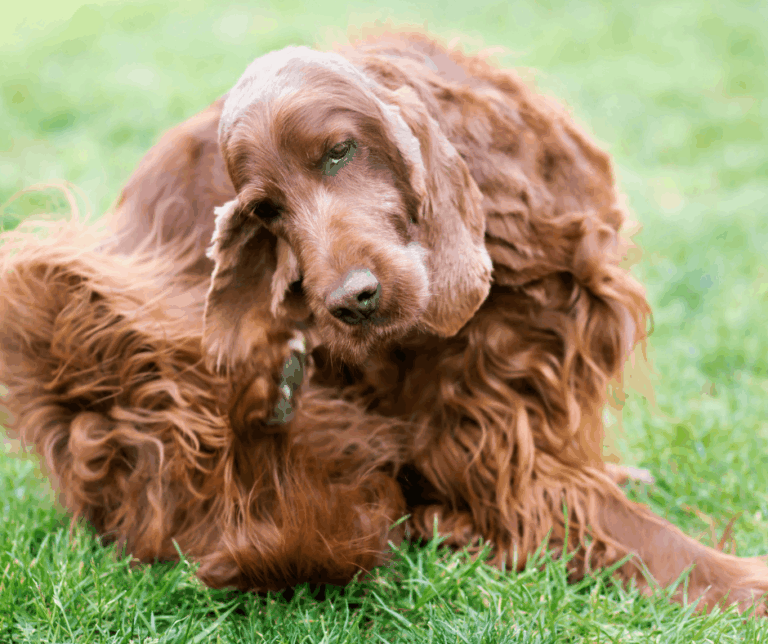
If your dog is showing irritation with their ears book and appointment with one of our vets. Visit one of our practices in Brackley, Middleton Cheney, or Towcester to discuss this with a vet.
The signs of an ear problem can vary depending on the cause and how painful the ear has become. You may notice your dog:
Some dogs may whine, yelp or pull away when their ear is touched. Others show much more subtle changes, such as being less interested in playing or becoming reluctant to have their collar, harness or lead placed over their head.
Regular head shaking or ear scratching should not be ignored. Early diagnosis usually makes ear problems easier to treat and can help to prevent them from becoming more painful.
Ear discomfort is not a condition in itself. It is a symptom that can have several possible causes.
Ear infections are among the most common. Bacteria, yeast or a combination of both can multiply inside the ear canal, causing inflammation, discharge, odour and pain. However, there is often an underlying reason the infection developed.
Possible causes include:
Dogs with floppy, hairy or narrow ear canals may be more susceptible to ear problems because moisture and debris can become trapped more easily. However, any dog can develop an uncomfortable or infected ear.
A problem that begins suddenly, particularly after a walk through long grass, could be caused by a grass seed. These small, pointed seeds can enter the ear canal and cause intense irritation. Dogs with a grass seed in their ear often shake their head repeatedly and may appear very distressed. Contact us promptly if the symptoms have started suddenly.
Contact us and describe the symptoms you have noticed. Ear problems can worsen quickly, and it is difficult to identify the cause without examining the ear properly.
Until your dog is seen, try to prevent excessive scratching or rubbing. Persistent head shaking can damage small blood vessels in the ear flap and lead to an aural haematoma, which is a painful, blood-filled swelling.
Keep the ear dry and avoid swimming or bathing. Do not insert cotton buds, fingers or other objects into the ear canal. This may push a foreign object deeper into the ear and could damage the delicate structures inside.
Unless your vet has advised you to do so, avoid cleaning a sore or painful ear before the appointment.
Your vet may want to examine the earwax or discharge under a microscope to determine whether bacteria, yeast or mites are present. Cleaning the ear immediately beforehand could make diagnosis more difficult.
Cleaning may also be painful if the ear canal is severely inflamed. In some cases, there may be a foreign object or damage to the eardrum, meaning certain cleaning solutions would be unsuitable – or even harmful.
Your vet will ask when the symptoms began, whether one or both ears are affected and whether your dog has experienced similar problems previously.
They will examine the outside of the ear and may use an instrument called an otoscope to look down the ear canal and assess the eardrum. A sample of wax or discharge may be examined under a microscope to identify bacteria, yeast or parasites.
If the ear is extremely painful, swollen or blocked with discharge, sedation may be needed to allow a thorough and comfortable examination.
Treatment will depend on the cause. It may include:
Further tests for persistent or recurring problems may be needed.
Serious or long-standing ear disease may occasionally require surgery, but most ear problems respond well when treated early and appropriately.
Follow the treatment instructions carefully and complete the full course, even if your dog’s ear appears better after a few days. Stopping treatment too early may allow the infection to return.
Your vet may arrange a follow-up appointment to check that the infection and inflammation have fully resolved. Ear canals can still be inflamed even after the visible discharge and smell have improved.
Seek prompt veterinary advice if your dog is in significant pain, has a very swollen ear, develops a bloody or pus-like discharge, or will not allow anyone near their head.
Contact us urgently if you notice:
These symptoms may indicate that the problem involves deeper parts of the ear and should be assessed without delay.
Not every ear problem can be prevented, but regular checks can help you spot changes early. Look at your dog’s ears each week and become familiar with what is normal for them.
Healthy ears should not be painful, strong smelling or filled with discharge. If your vet recommends routine cleaning, use the advised product and follow their instructions carefully. Avoid overcleaning, as this can irritate the ear canal.
Dogs with recurring infections may need investigation for an underlying allergy or skin condition. Treating the infection without addressing its cause can result in repeated flare-ups.
Ear discomfort can be upsetting for your dog, but early veterinary attention can provide relief and reduce the risk of lasting damage. If your dog is shaking their head, scratching their ears or showing any other signs of pain, get in touch with us for advice rather than waiting to see whether the problem settles on its own.
We use cookies to improve your experience on this website. You may choose which types of cookies to allow and change your preferences at any time. Disabling cookies may impact your experience on this website. You can learn more by viewing our Cookie Policy.
